
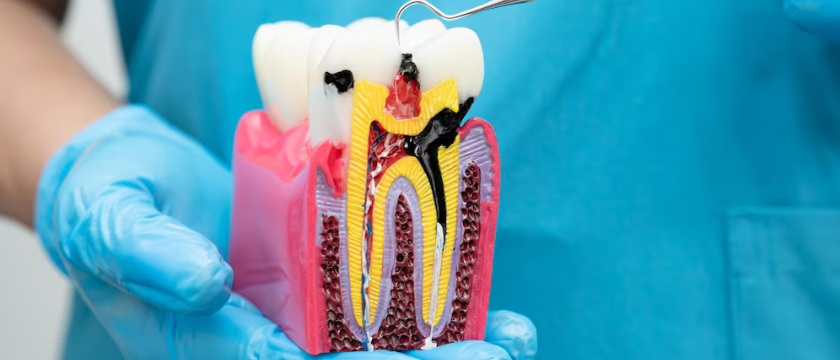
About Root Canal Treatment Services
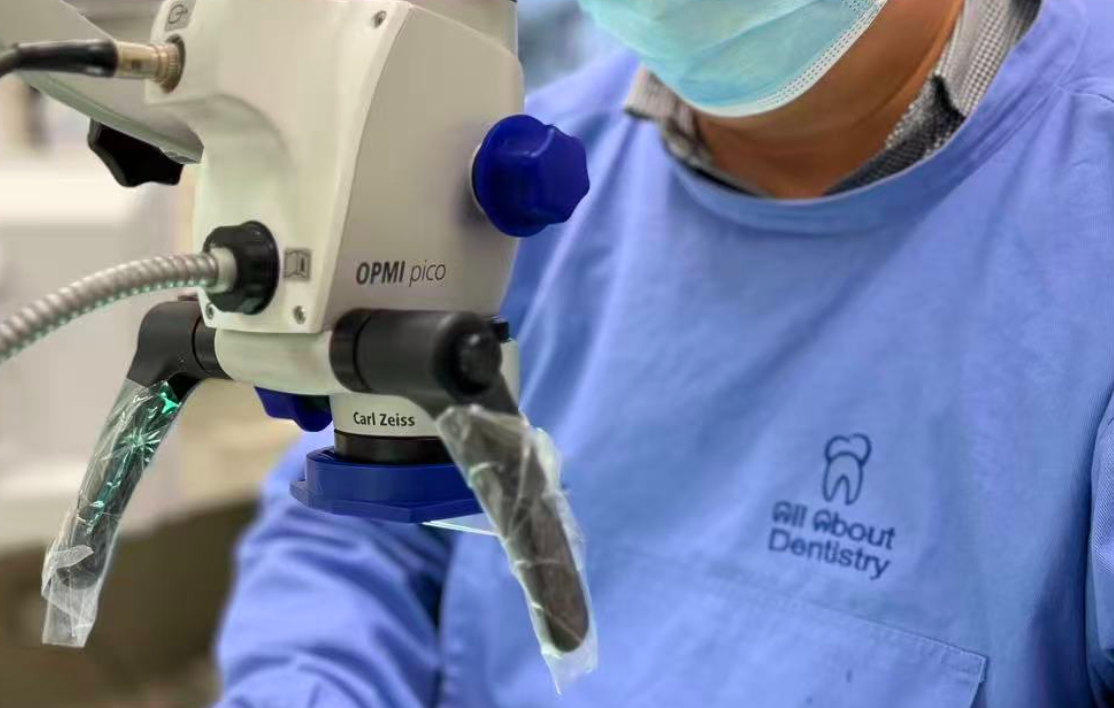
Root Canal therapy is the removal of the nerve from the inside of the tooth due to the tooth being badly damaged from disease, injury or decay. Root canal treatment is required if the tooth becomes infected or inflamed. The ultimate aim of this treatment is to save the tooth. A root canal requires two or more treatment visits, please arrange an appointment with one of our dentists to discuss the treatment options available to you. All the complex endodontic treatments are done under Surgical Microscope by our most experienced doctors.

Frequently Asked Questions
How do I know if I need a root canal?
You may need a root canal if you have lingering toothache, sensitivity to hot or cold that doesn’t settle, pain when biting, swelling or a “pimple” on the gum, or a tooth that has darkened after trauma. Some infections have few symptoms, so X-rays and an exam are important for diagnosis.
Does root canal treatment hurt?
With modern anaesthesia and gentle techniques, most patients find root canal treatment no more uncomfortable than getting a filling. You may feel mild tenderness afterwards, but this usually improves over a few days and can often be managed with standard pain relief.
How many appointments will I need?
Some cases can be completed in one visit, while others may require two or more appointments depending on the complexity of the tooth, the level of infection, and whether additional treatment is needed. We’ll explain your plan and timeline clearly after assessment.
Do I need a crown after a root canal?
Often, yes—especially for back teeth. After a root canal, the tooth can become more brittle and prone to fracture. A crown helps reinforce the tooth and protect it long-term. We’ll advise the most suitable restoration based on the tooth and your bite.
What should I expect after treatment?
It’s normal to have some sensitivity or soreness for a few days. Avoid chewing hard foods on that tooth until it’s fully restored, keep brushing and flossing gently, and attend any follow-up visits. If you experience increasing pain, swelling, or fever, contact us promptly.