About Tooth Extraction Services
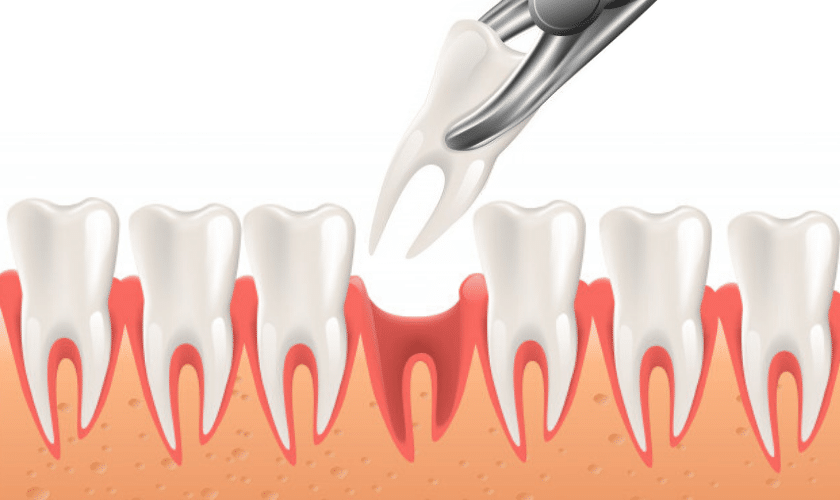
Although permanent teeth were meant to last a lifetime, there are many reasons why tooth removal may be required. A very common reason involves a tooth that is too badly damaged, from trauma or decay to be repaired. Other reasons include:
- Infection
- Tumour of Cyst
- Gum Disease around the impacted teeth
- Wisdom Teeth problem:
While wisdom teeth erupted without any problem in many people, in some cases there is less space for their eruption, these cases they are called impacted wisdom tooth and may cause problems like:
- Pain
- Bad Breath
- Damage or infection in the neighbouring teeth
- Swollen gum
- Sore and Stiff Jaw
- Swelling
Some of the tooth extractions may require the care of specialist Oral surgeon. Talk to our friendly dentist for more information
Frequently Asked Questions
When do I need a tooth extraction?
An extraction may be recommended if a tooth can’t be saved with a filling or root canal treatment, or if it is causing infection, severe pain, or damage to neighbouring teeth. Extractions can also be part of orthodontic treatment when space is needed.
Will the extraction hurt?
We use local anaesthetic to numb the area so you should not feel pain during the procedure. You may feel pressure, but the goal is a comfortable experience. Some soreness or swelling afterwards is normal and usually managed with standard pain relief and aftercare.
What should I do after a tooth extraction?
Bite gently on the gauze as advised to help a blood clot form, avoid rinsing or spitting for the first 24 hours, and stick to soft foods. Avoid smoking and drinking through a straw, as suction can disturb healing. We’ll provide tailored instructions based on your specific extraction.
How long does healing take?
Initial healing usually takes about 1–2 weeks, but this can vary depending on the tooth, the complexity of the extraction, and your general health. The bone and gum continue to remodel over time, and we’ll guide you on what to expect.
What is dry socket and how can I avoid it?
Dry socket happens when the blood clot dislodges too early, exposing the bone and causing increased pain a few days after extraction. To reduce the risk, avoid smoking, straws, vigorous rinsing, and hard or crunchy foods in the early healing period. If pain worsens after a few days, contact us promptly for care.