
Digital Dental Implants
Precision-planned implant solutions designed to restore function, confidence, and aesthetics with long-term reliability.
The most predictable form of permanent tooth replacement
Dental implants are a highly predictable form of tooth replacement that can restore function and aesthetics with great long-term longevity. Simply speaking, a dental implant consists of a 'screw' (fixture) that is integrated into the bone upon which a dental crown can be placed on top.
Well-planned and well-maintained dental implants have a 10-year success rate of around 95%. Compared to other forms of tooth replacement such as bridges or dentures, dental implants possess superior strength and aesthetics, and are the closest simulation to that of a natural tooth. Moreover, with proper maintenance and aftercare, they can even last a whole lifetime.
Key Advantages of Dental Implants
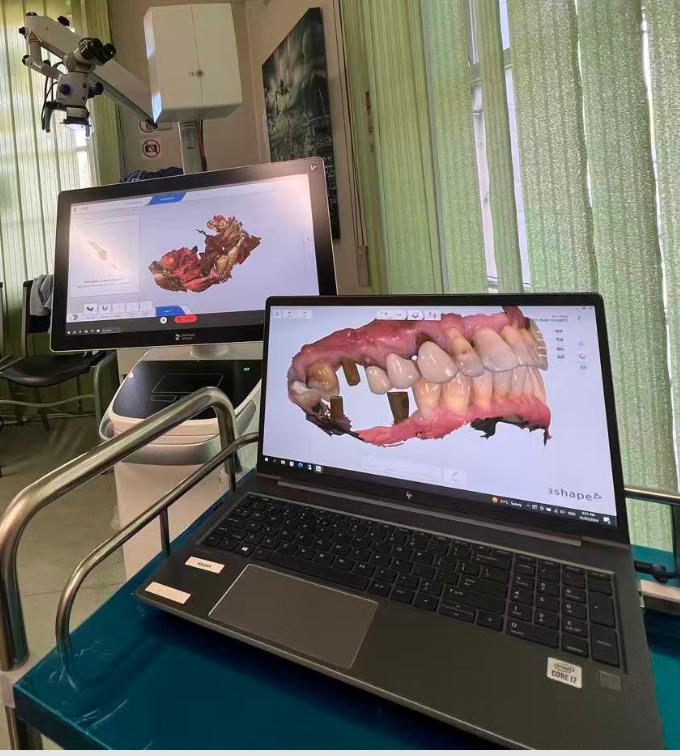
- Natural aesthetic and feelThese dental implants have a high resemblance to natural teeth. Size, shape, and colour can be customised through computer-aided design to provide the best possible look, bite, and speech.
- No need to modify adjacent teethDental bridges require the preparation of adjacent healthy tooth structures to achieve sufficient bonding and retention.
- Ease of maintenanceEasy access for standard flossing and brushing can be performed, and there's no need to use special cleaning products on your new teeth.
- ReliabilityDental implants offer a high success rate given proper planning, execution, and aftercare.
What Are Guided Dental Implants?
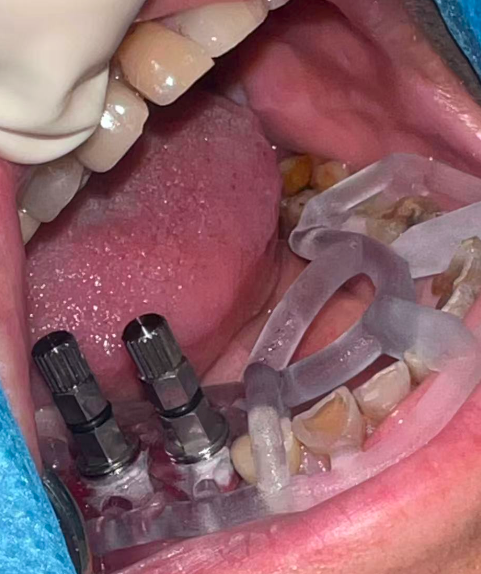
Rather than using our eyes to guide the entire process in traditional implant surgery, guided implants use a specially designed framework that maintains the position of the drill in one place. Thus, significantly reducing the risk of mispositioned implants, perforations, and iatrogenic damage to adjacent teeth and soft tissue structures.
With the framework, surgery is much simpler and more efficient to do, reducing overall treatment time. It is often referred to as a surgical guide and has quickly become adopted in many practices due to its safety and predictable outcomes.
How are Surgical Guides For Dental Implants Made?
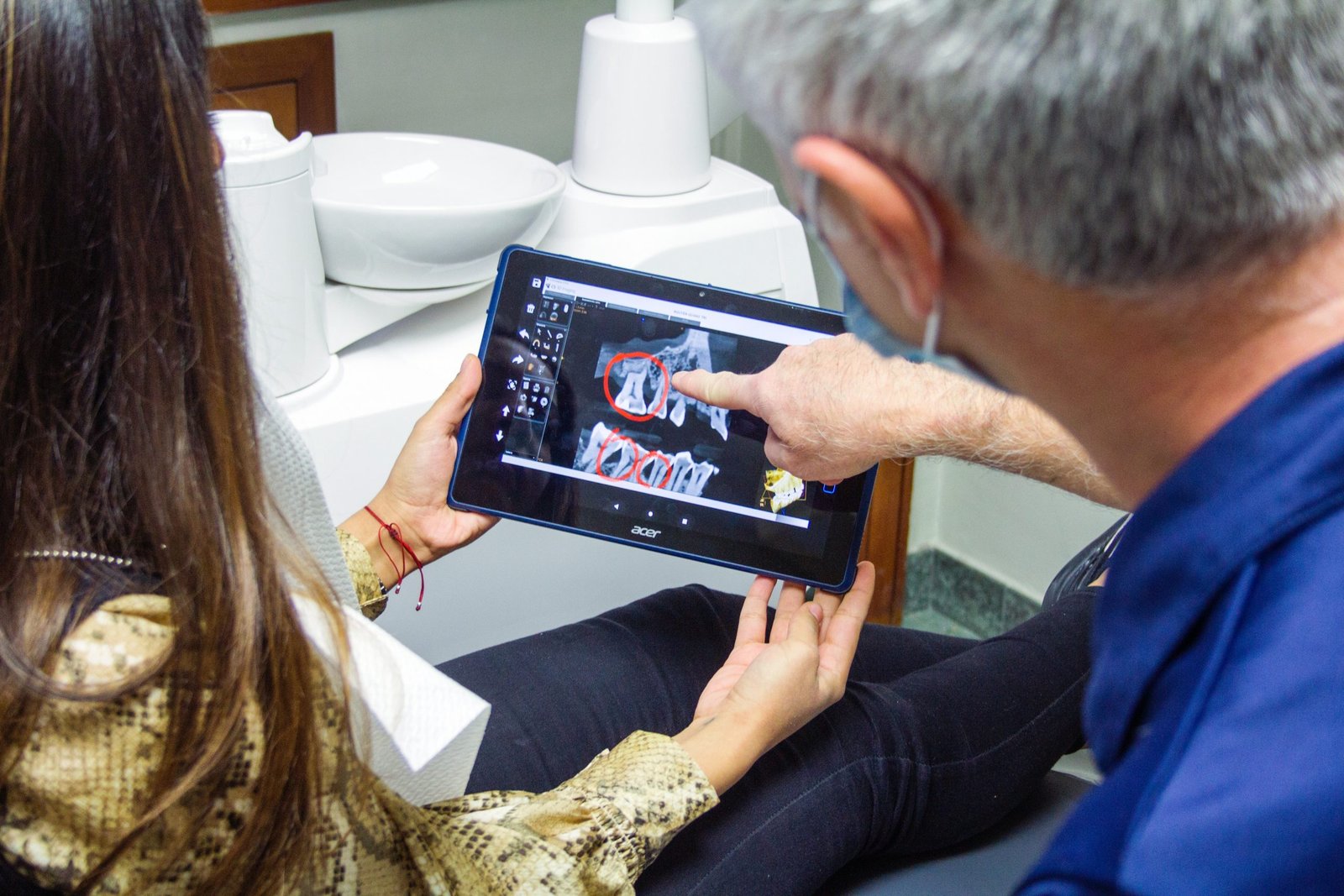
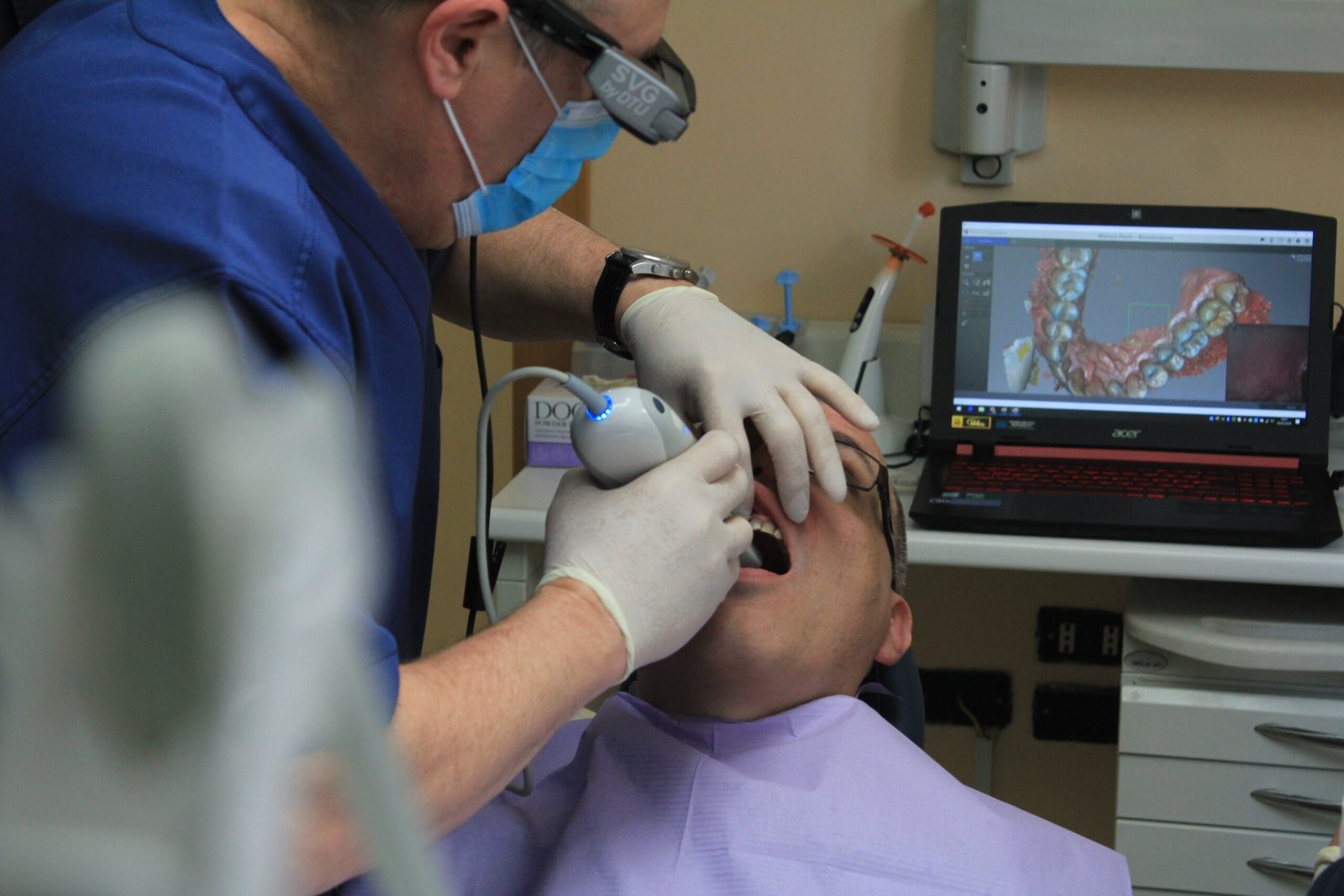
Firstly, various imaging techniques (e.g. CBCT & intraoral scans) are required to obtain a complete understanding of the individual's anatomy. We will need to assess the bone density, space available and important structures to avoid.
Imaging & Assessment
CBCT and intraoral scans are taken to obtain a complete understanding of the patient's anatomy, bone density, available space, and important structures to avoid.
Digital Planning
Once a plan regarding the position of the implant has been finalised, a framework can be generated using the assistance of sophisticated AI software.
3D Printed Guide Fabrication
The guide is individually customised to fit the patient's anatomy in a fixed position. This framework is then crafted to a highly accurate degree with 3D printing using computer-aided manufacturing technology.
Guided Surgery
The surgical guide facilitates accurate implant placement during the procedure, improving consistency and reducing guesswork associated with freehand placement.
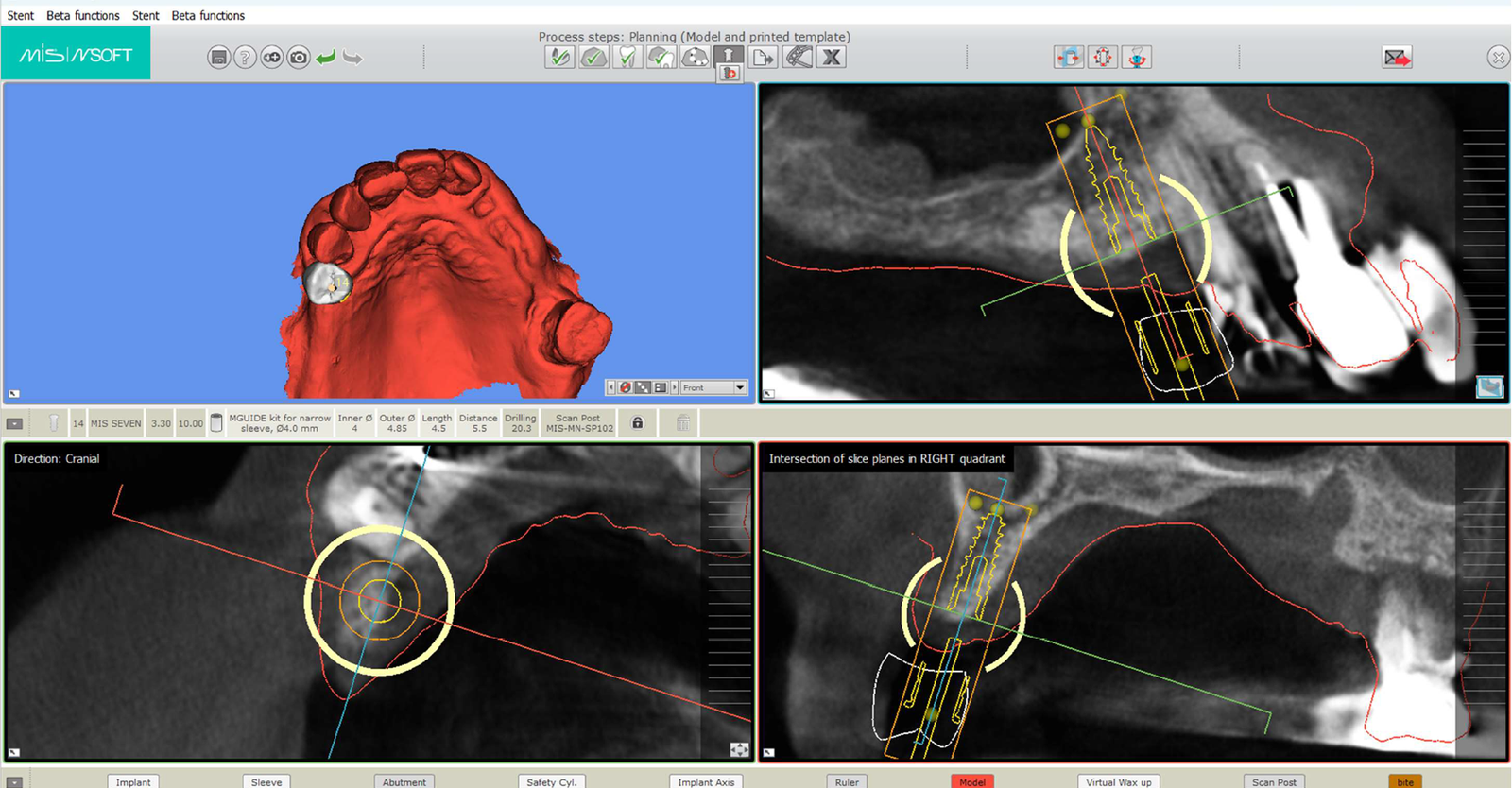
See Guided Implant Surgery Prepared
A closer look at how precision scanning for a 3D Printed Surgical Guide.
Key Advantages of Guided Dental Implants
- Precision and accuracyLimits risk of errors and complications during implant placement, leading to a higher rate of successful outcomes.
- Reduced traumaLower risk of iatrogenic damage, ability to use smaller drills and smaller incisions to achieve a desirable outcome, minimising the invasiveness of surgery and thus promoting faster healing.
- Treatment efficiencyEliminates the need to make constant manual adjustments and measurements during surgery.
- Transparency3D modelling and surgical guides provide clear visualisation to ensure all parties involved are on the same page.
Potential Limitations of Guided Implants
- CostDue to the process of designing and fabricating the surgical guide, there is added cost over traditional implant surgery.
- Delayed treatmentFabrication of surgical guide requires time, therefore increasing overall treatment time from start to finish. Additionally, unexpected changes in patient anatomy may result in the need to modify the surgical guide, further delaying treatment.