About Periodontal Disease Services
Periodontal treatment is designed to stop gum disease, restore healthy tissue, and protect the bone that supports your teeth. Whether you’re managing early gingivitis or advanced periodontitis, we begin with a comprehensive periodontal assessment — including probing depths and X-rays — and build a personalised treatment plan based on the stage, severity, and rate of progression of your condition. Treatment can help address bleeding gums, persistent bad breath, receding gums, and loose teeth, while supporting long-term oral and general health, as gum disease is closely linked to diabetes, heart disease, and other systemic conditions. Throughout the process, we provide clear guidance, regular reviews, and a personalised maintenance program to ensure lasting results.
Frequently Asked Questions
What's the difference between gingivitis and periodontitis?
Gingivitis is inflammation of the gums caused by plaque build-up — the earliest and fully reversible stage of gum disease. Periodontitis is the more advanced stage, where infection spreads below the gumline and destroys the bone supporting your teeth. Because bone loss is permanent, early diagnosis and treatment are critical.
Can periodontitis be cured?
Periodontitis can’t be fully reversed — bone that has already been lost doesn’t grow back on its own — but it can be stabilised. With proper treatment and ongoing maintenance, we can stop disease progression, reduce pocket depths, and restore healthy gum tissue. Many patients keep their teeth for decades once the disease is controlled.
Is deep cleaning painful?
Most patients tolerate scaling and root planing well. We perform the procedure under local anaesthesia so it’s comfortable, and any mild gum tenderness afterwards usually settles within a few days with over-the-counter pain relief. For anxious patients, we also offer IV sedation.
How long does periodontal treatment take?
Non-surgical treatment is typically completed across 1–2 visits, with a review 6–8 weeks later. If gum surgery is needed, allow one procedure plus 2–3 follow-ups. After active treatment, you’ll join a long-term maintenance program with visits every 3–4 months to keep the disease stable.
Can gum disease affect my overall health?
Yes — research consistently links chronic periodontitis to diabetes, cardiovascular disease, stroke, respiratory conditions, and complications in pregnancy. Treating gum disease can improve blood sugar control and reduce systemic inflammation, which is why periodontal care is an important part of your overall health, not just your smile.
Periodontal disease treatment
Comprehensive care to stop gum disease, restore healthy tissue, and protect your smile long term — from early gingivitis to advanced periodontitis.
Enquire onlineWhat is periodontitis?
A serious gum infection caused by bacterial plaque and calculus building up below the gumline. Left untreated, it damages soft tissue and destroys the bone that supports your teeth — one of the leading causes of adult tooth loss.
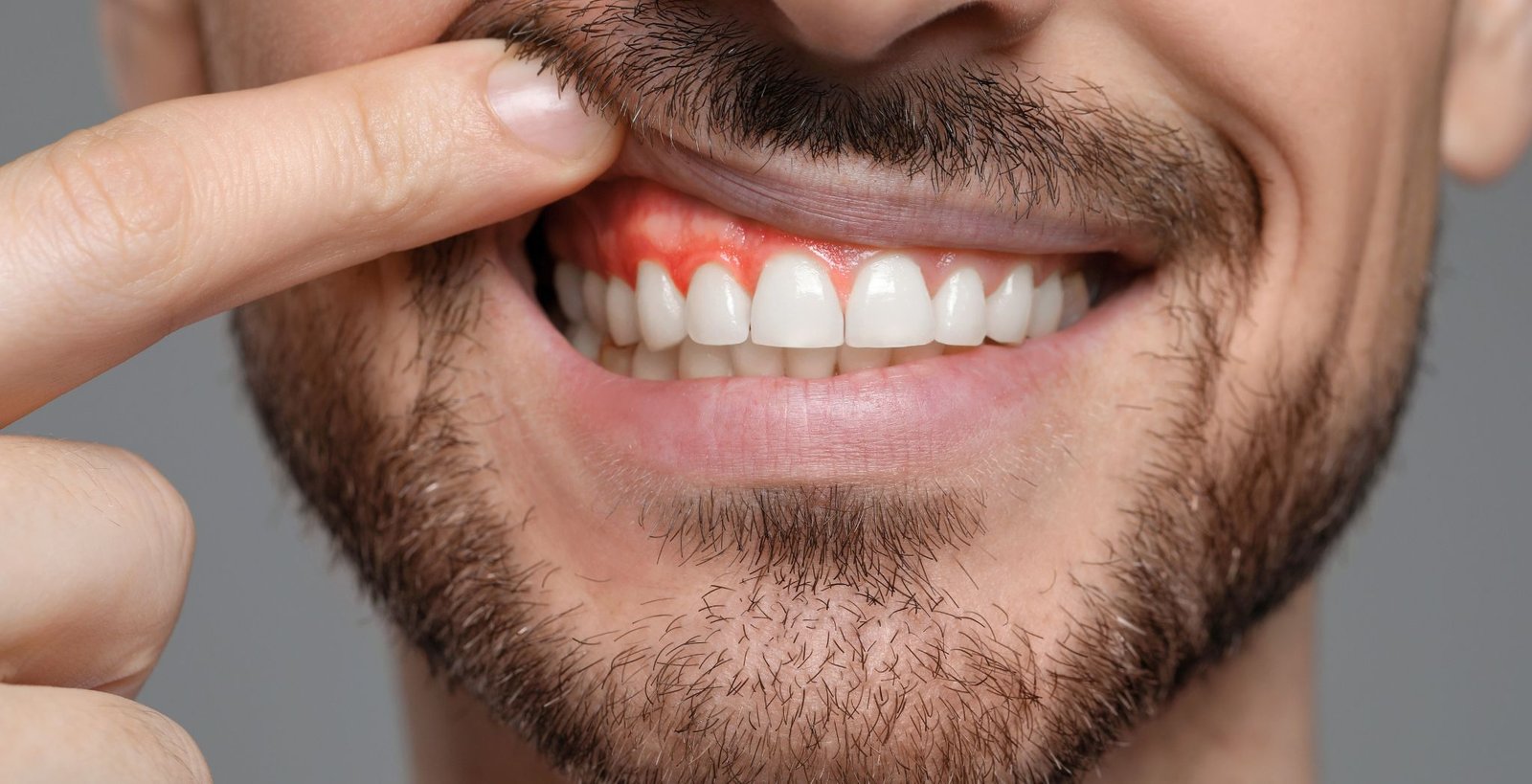
- Red, swollen or bleeding gums
- Persistent bad breath or bad taste
- Receding gums, longer-looking teeth
- Loose or shifting teeth
- Pain when chewing
Staging and severity
Periodontitis is diagnosed as localised or generalised and classified in stages 1 to 4:
- Stage 1: Mild
- Stage 2: Moderate
- Stage 3: Severe, with potential for tooth loss
- Stage 4: Severe, with potential for loss of all teeth
Categorised into three rates of progression:
- Grade A — Slow progressing
- Grade B — Moderately progressing
- Grade C — Rapidly progressing
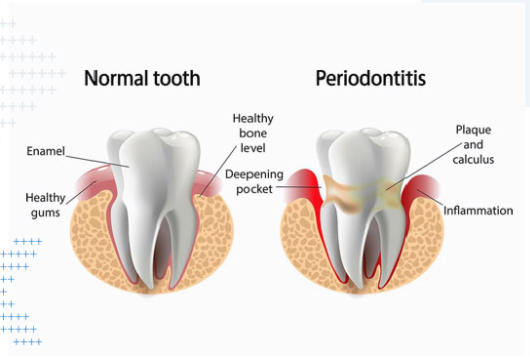
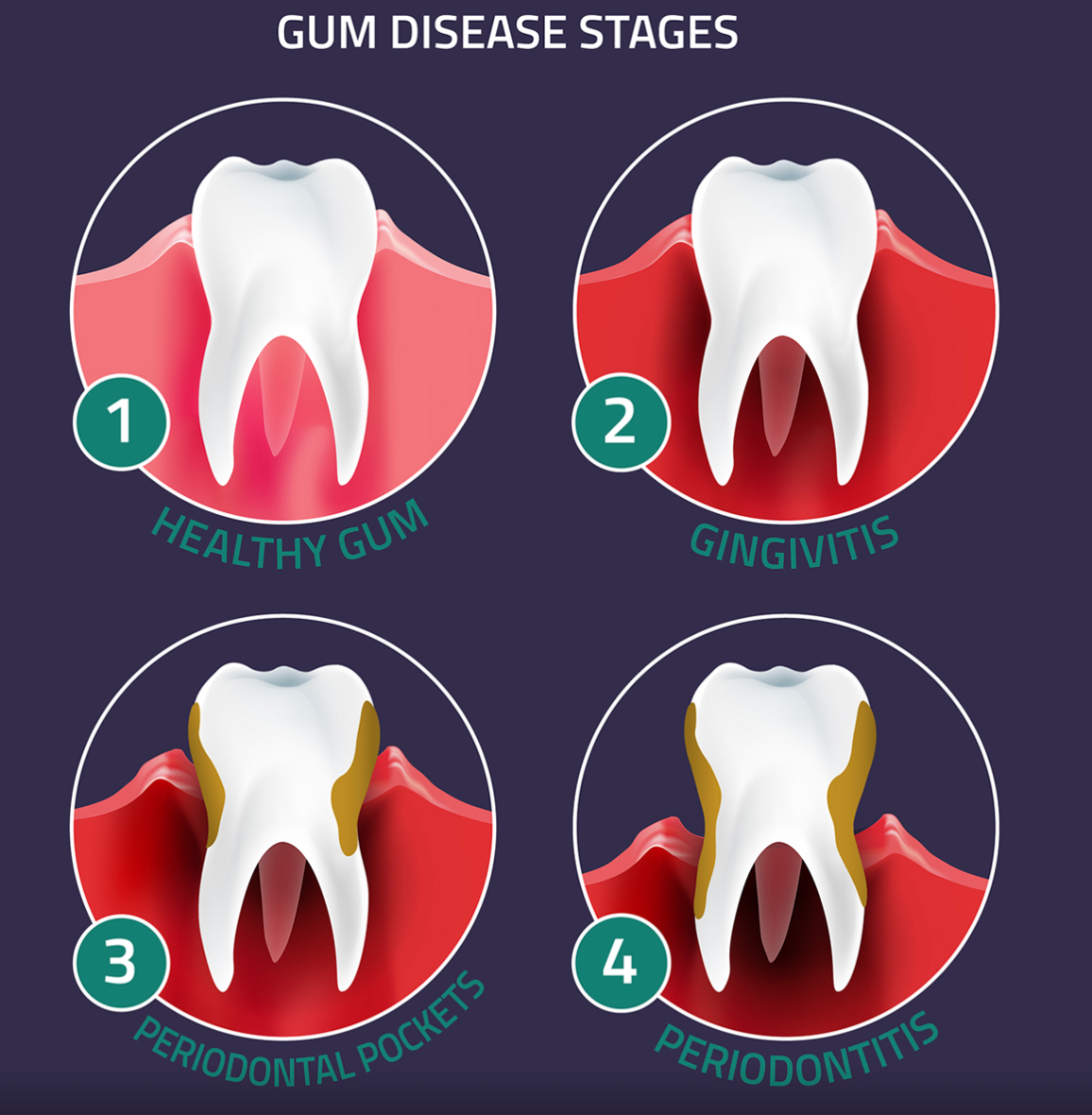
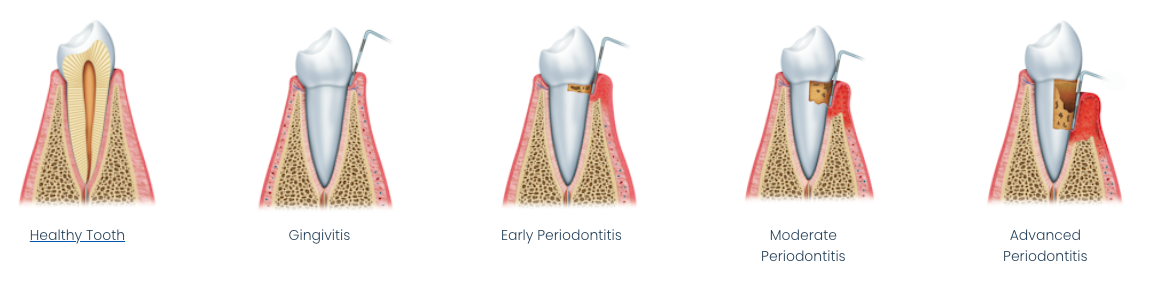
Progression of gum disease
Understanding where you are helps us tailor the right treatment.
What untreated periodontitis leads to
One of the most serious outcomes we see in the clinic:
Alveolar bone loss
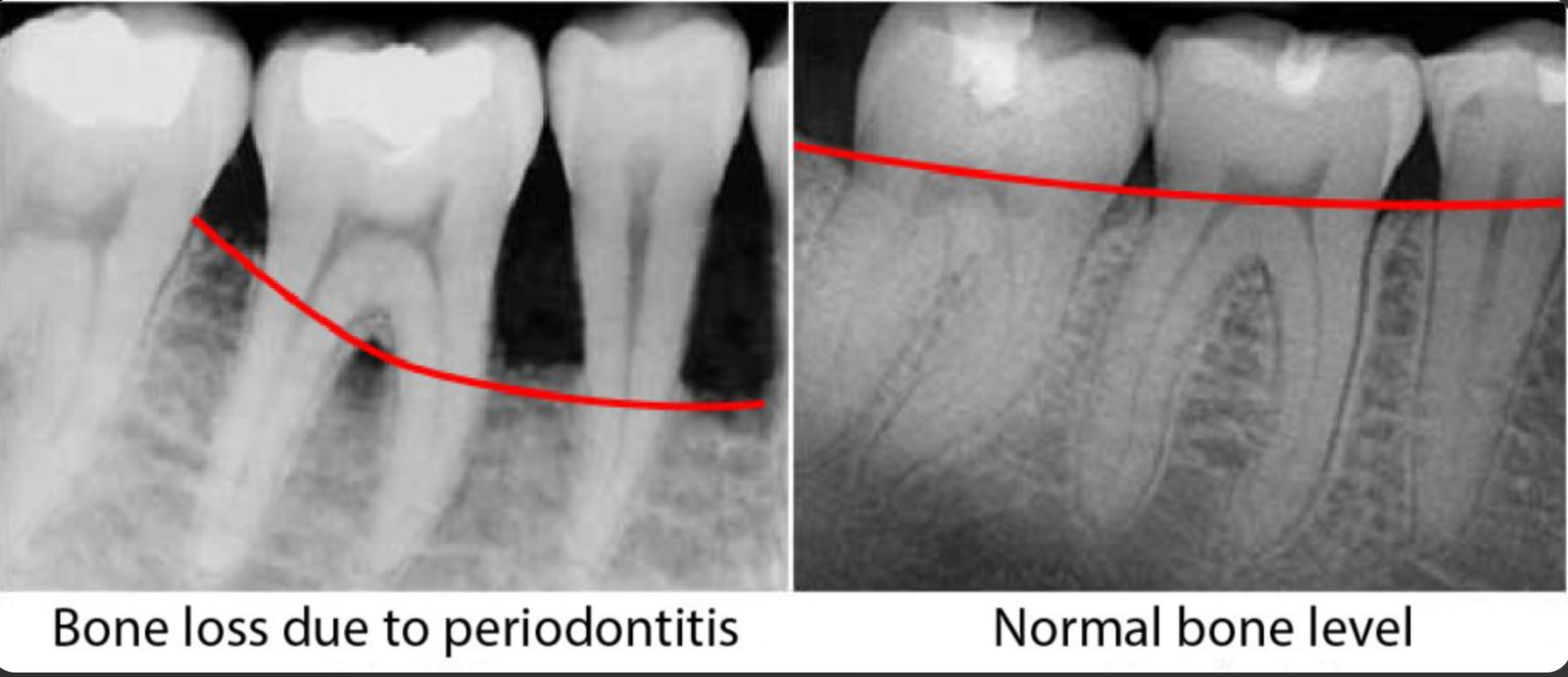
Chronic infection destroys the alveolar bone that anchors your teeth. Once bone is lost, it doesn't grow back on its own — teeth loosen, shift, and eventually fall out.
Early treatment prevents this. Book a check-up if you notice bleeding, swelling or pain.
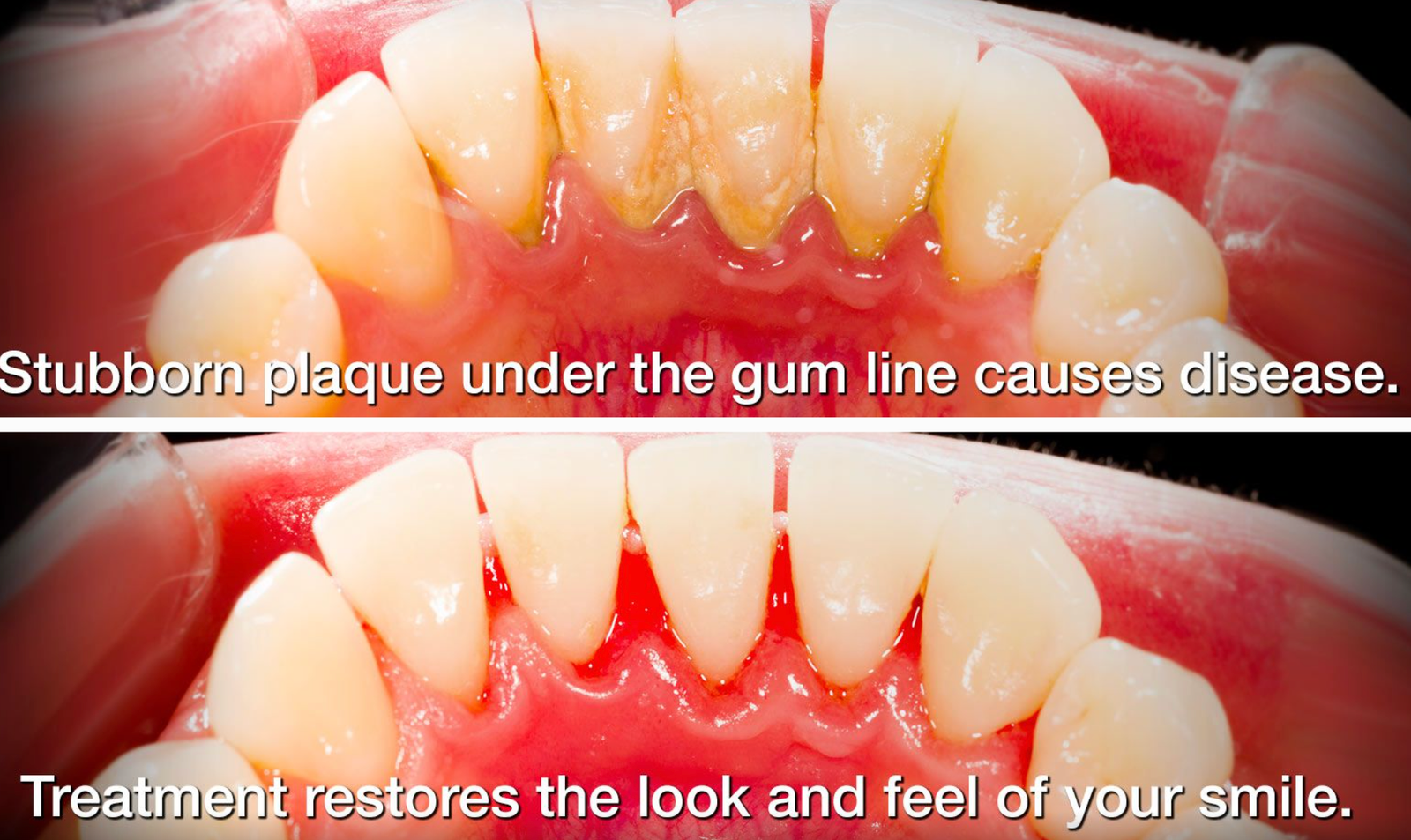
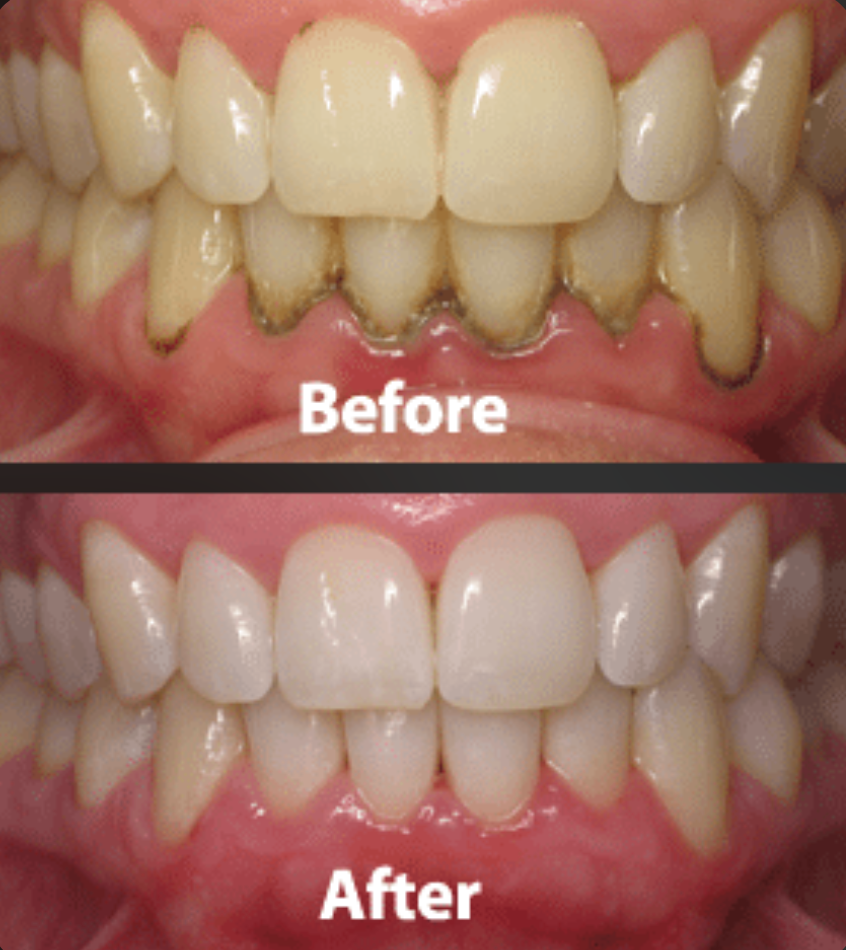
Real results, real smiles
Before & after outcomes from our periodontal patients.
Prevention & aftercare
- Professional cleaning every 3–6 months
- Twice-daily brushing, soft-bristled brush
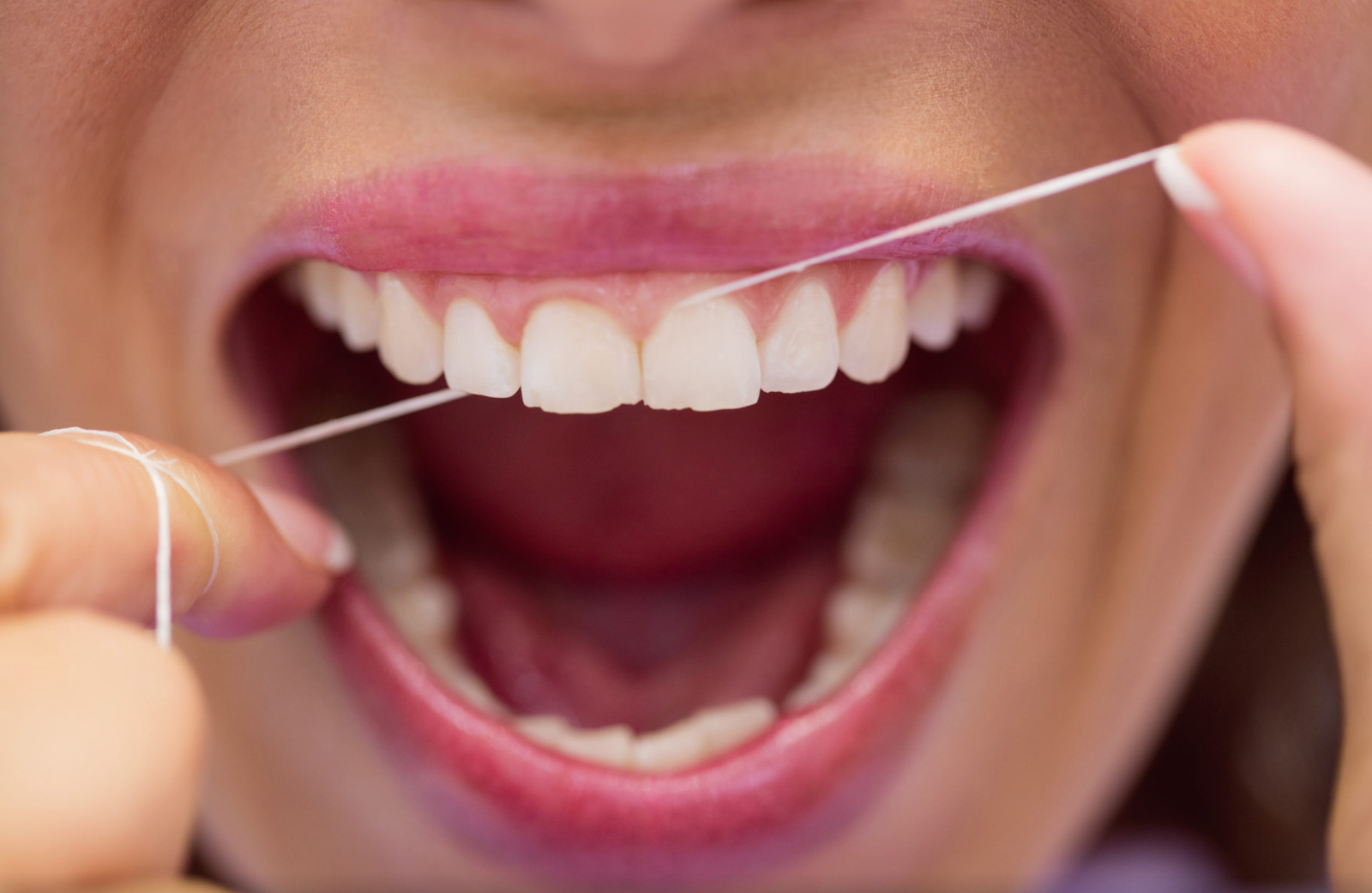
- Daily flossing or interdental brushes
- Quit smoking — a major risk factor
- Manage systemic conditions (e.g. diabetes)